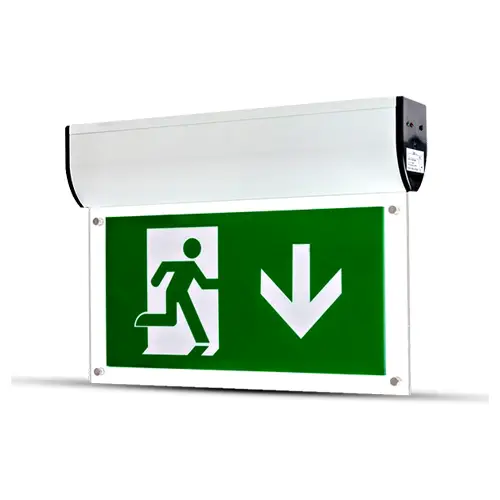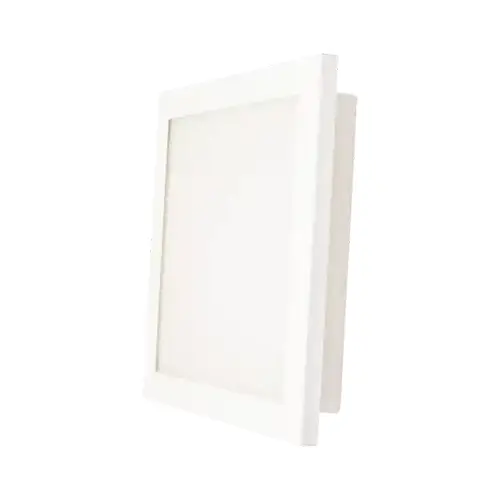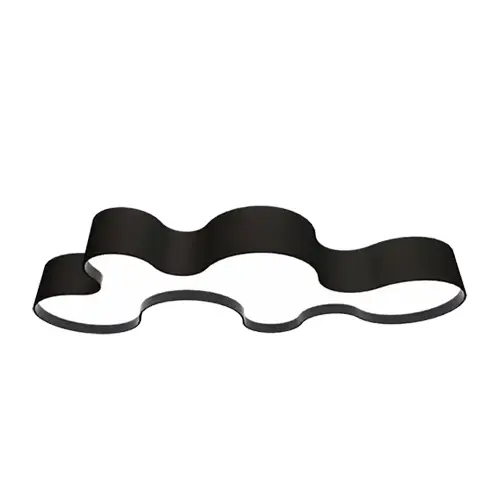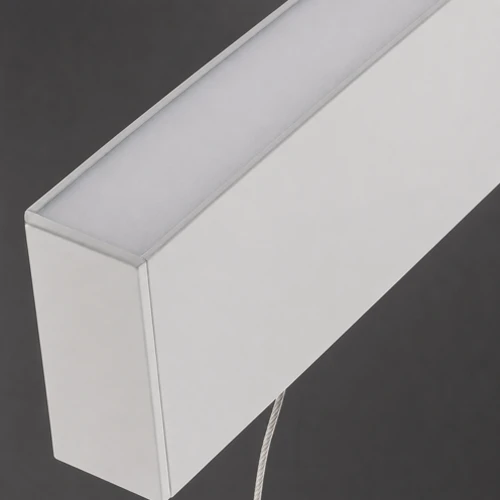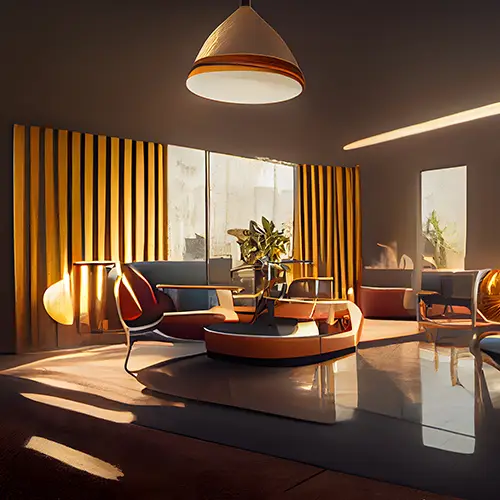
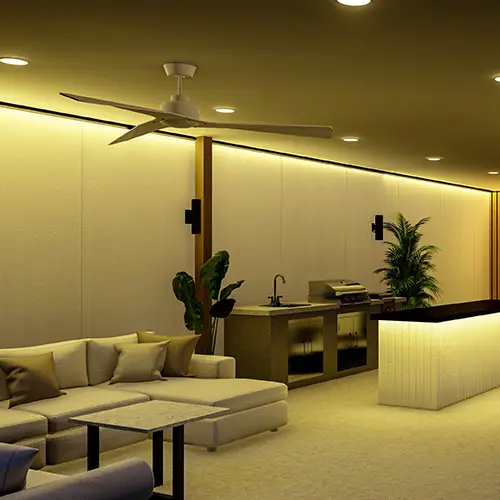
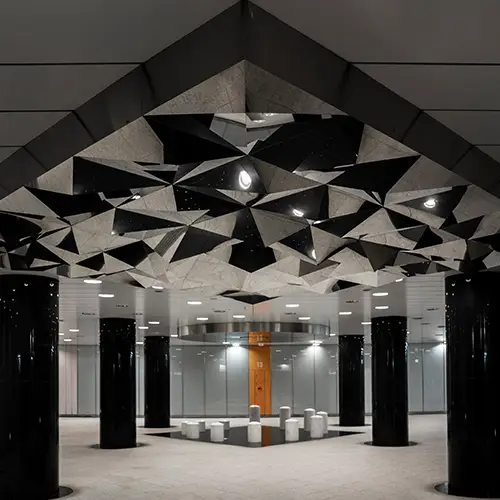
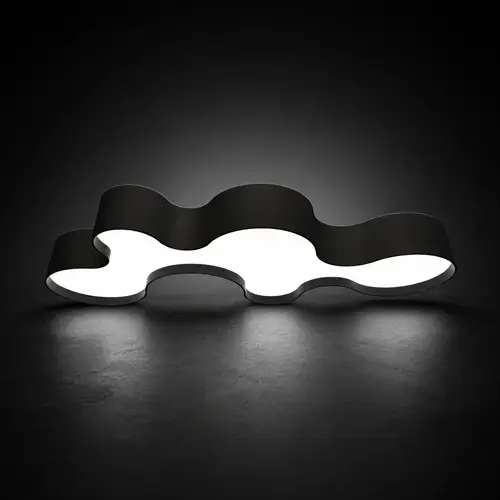
Architectural LED Lighting Solutions for Modern Commercial & Interior Spaces
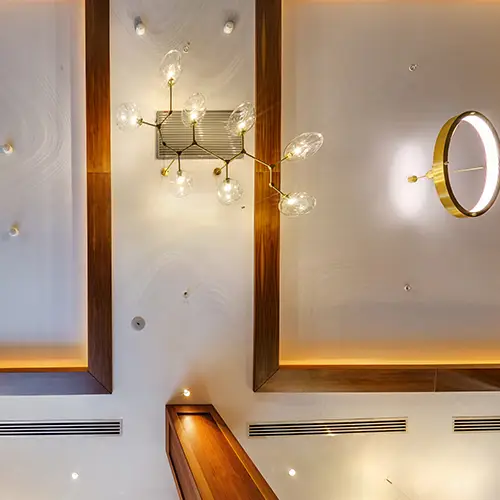
Indoor Architectural Lights are designed to do more than illuminate an interior. They help define spaces, enhance architectural features, improve visual comfort, and create functional environments that align with the purpose of a building. Whether used in offices, hotels, retail outlets, healthcare facilities, educational institutions, or commercial developments, well-designed architectural lighting contributes to aesthetics, occupant experience, and energy efficiency.
Goldwyn Limited manufactures Indoor Architectural Lights for a wide range of commercial, institutional, hospitality, and infrastructure applications across India. Our Architectural LED Lighting Solutions are developed to support architects, lighting designers, consultants, EPC contractors, builders, and project developers seeking lighting systems that combine design flexibility with dependable performance.
From Linear Architectural Lights and Recessed Architectural Lights to Ceiling Architectural Lights and Cove Lighting solutions, our products are engineered to complement contemporary architectural designs while delivering consistent illumination and long-term operational efficiency.
Understanding Indoor Architectural Lights
Indoor Architectural Lights are specialized lighting systems that integrate with a building's interior design while providing functional illumination. Unlike conventional lighting fixtures that focus primarily on brightness, architectural lighting is planned to improve spatial perception, highlight design elements, create visual hierarchy, and support the intended use of each interior environment.
Modern Architectural LED Lights combine advanced optics, efficient LED technology, refined fixture designs, and intelligent light distribution to achieve both visual appeal and practical performance. The objective is not only to light a space but also to enhance how people experience it.
Architectural Interior Lighting is widely used in projects where lighting is considered an integral part of the architectural design rather than an afterthought.
Applications of Indoor Architectural Lighting
Different interior environments demand different lighting strategies. Selecting suitable Indoor Architectural Lighting depends on ceiling design, room function, occupancy patterns, visual requirements, and overall architectural objectives.
Corporate Offices
Office Architectural Lighting creates comfortable workspaces by balancing ambient illumination, task lighting, and visual comfort. Proper lighting contributes to employee productivity while supporting modern office aesthetics.
Commercial Buildings
Commercial Architectural Lighting is commonly installed in corporate buildings, business centres, reception areas, conference rooms, and common spaces where lighting enhances both functionality and architectural appeal.
Hospitality Projects
Hotels, resorts, restaurants, banquet halls, and luxury hospitality projects rely on Decorative Architectural Lighting to create welcoming environments while maintaining visual consistency throughout public and private spaces.
Retail Stores & Shopping Centres
Retail Lighting Solutions help highlight merchandise, improve customer experience, and create visually engaging commercial environments. Appropriate lighting can also support branding and product presentation.
Healthcare Facilities
Hospitals, clinics, diagnostic centres, and healthcare institutions require Indoor LED Lighting that provides comfortable illumination while supporting patient care, operational efficiency, and professional environments.
Educational Institutions
Schools, colleges, universities, libraries, and training centres require well-balanced Interior Architectural Illumination that supports concentration, visual comfort, and long operating hours.
Government & Infrastructure Projects
Architectural Lighting Systems are increasingly specified for airports, metro stations, public buildings, auditoriums, convention centres, and other institutional infrastructure projects where both aesthetics and performance are important.
Types of Indoor Architectural Lights
Different lighting systems serve different architectural and functional purposes. Choosing the right solution depends on the desired lighting effect, ceiling design, installation method, and application requirements.
Linear Architectural Lights
Linear Architectural Lights provide clean, continuous illumination for offices, commercial buildings, educational institutions, retail environments, and public spaces. Their minimalist design makes them suitable for modern architectural interiors where uniform lighting and contemporary aesthetics are priorities.
Recessed Architectural Lights
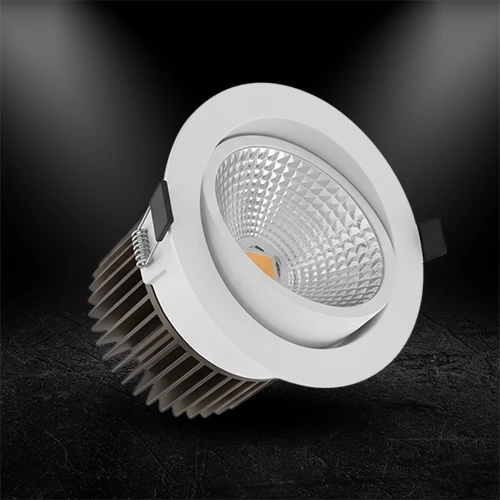
Recessed Architectural Lights are installed within ceilings to create a streamlined appearance while maintaining effective illumination. These fixtures are widely used in offices, hotels, hospitals, educational institutions, and commercial interiors where a clean ceiling design is preferred.
Ceiling Architectural Lights
Ceiling Architectural Lights deliver general ambient illumination while complementing various interior design concepts. They are suitable for reception areas, conference rooms, corridors, commercial spaces, and institutional facilities.
Cove Lighting
Cove Lighting provides indirect illumination by concealing light sources within ceiling recesses, wall details, or architectural coves. This lighting technique creates soft, uniform illumination that enhances interior ambience while reducing direct glare.
Decorative Architectural Lighting
Decorative Architectural Lighting combines functionality with visual appeal. These lighting solutions are commonly specified for hospitality projects, premium commercial interiors, luxury retail spaces, and public environments where lighting contributes significantly to the overall architectural identity.
Suspended LED Lights
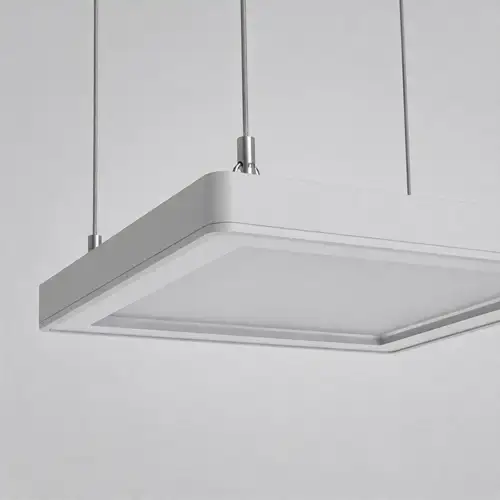
Suspended LED Lights are frequently used in open offices, atriums, commercial buildings, educational campuses, and collaborative workspaces. Their flexible installation options make them suitable for high-ceiling interiors that require balanced illumination and modern aesthetics.
Key Features of Modern Architectural LED Lighting
Advancements in LED technology have transformed Indoor Architectural Lighting by improving energy efficiency, lighting quality, and design flexibility.
Modern Architectural LED Lights typically offer:
- Energy-efficient LED technology.
- Uniform light distribution for enhanced visual comfort.
- Low glare illumination for occupied spaces.
- Multiple mounting configurations for different ceiling designs.
- Long operational life with reduced maintenance.
- High-quality LED drivers for stable lighting performance.
- Contemporary fixture designs that integrate with modern architecture.
- Consistent colour quality for aesthetically pleasing interiors.
- Flexible options for commercial, institutional, hospitality, and retail applications.
- Compatibility with customized lighting layouts based on project requirements.
These features make Indoor Architectural Lighting a preferred choice for architects, lighting consultants, and project developers seeking lighting solutions that combine performance, efficiency, and architectural integration.
Technical Considerations When Selecting Indoor Architectural Lights
Architectural lighting is most effective when it complements both the design intent and the functional requirements of a space. Beyond fixture appearance, several technical parameters influence lighting quality, occupant comfort, and long-term operational performance.
Lighting Uniformity
Uniform illumination helps eliminate harsh contrasts and dark spots, creating visually comfortable environments. In commercial offices, educational institutions, hospitals, and hospitality projects, balanced light distribution contributes to improved usability while enhancing the overall architectural experience.
Colour Temperature (CCT)
Colour temperature plays a significant role in shaping the ambience of an interior.
- Warm white lighting is commonly used in hotels, restaurants, and hospitality spaces to create inviting environments.
- Neutral white lighting is suitable for offices, educational institutions, and commercial buildings where balanced illumination is preferred.
- Cooler colour temperatures are often selected for healthcare facilities, laboratories, and task-oriented environments requiring enhanced visibility.
Selecting an appropriate CCT ensures the lighting aligns with the intended function of the space.
Colour Rendering Index (CRI)
Architectural Interior Lighting should accurately reproduce colours, particularly in retail stores, galleries, hospitality projects, healthcare facilities, and premium commercial spaces.
Higher CRI values improve the appearance of materials, finishes, furnishings, and merchandise while supporting a more natural visual experience.
Glare Control
Low glare lighting is essential in environments where occupants spend extended periods indoors. Offices, classrooms, conference rooms, hospitals, and public buildings benefit from lighting systems designed to minimize visual discomfort and improve productivity.
Effective glare control also contributes to occupant wellbeing by reducing eye strain during prolonged use.
Beam Angle and Optical Design
Different applications require different light distribution patterns.
Wide beam optics provide even ambient illumination across larger spaces, while focused beam angles are suitable for accent lighting, feature walls, display areas, and architectural highlights. Proper optical design enhances both aesthetics and functionality.
Energy Efficiency
Energy-efficient Indoor LED Lighting helps reduce electricity consumption while maintaining high illumination quality. For commercial buildings operating for long hours, efficient lighting systems contribute to lower operational costs without compromising performance.
Indoor Architectural Lighting Across Different Industries
Every building type has distinct lighting objectives. Selecting application-specific Indoor Architectural Lighting Solutions ensures both functional efficiency and architectural consistency.
Corporate Offices
Modern office environments require lighting that supports employee comfort, collaboration, and productivity. Linear Architectural Lights, Suspended LED Lights, and Recessed Architectural Lights create balanced illumination suitable for open workspaces, meeting rooms, reception areas, and executive offices.
Hospitality Industry
Hotels, resorts, restaurants, lounges, and banquet facilities rely on Decorative Architectural Lighting to establish ambience and enhance guest experiences. Layered lighting techniques combine ambient, accent, and decorative illumination to create visually engaging interiors.
Retail & Commercial Spaces
Retail Lighting Solutions emphasize product presentation while improving customer navigation and overall shopping experience. Carefully designed Architectural LED Lighting helps create attractive retail environments that support brand identity.
Healthcare Facilities
Hospitals and healthcare institutions require lighting systems that prioritize visual clarity, comfort, and operational efficiency. Indoor Architectural Lighting supports patient rooms, consultation areas, waiting lounges, corridors, and administrative spaces.
Educational Institutions
Schools, colleges, universities, libraries, and research facilities require consistent illumination that promotes concentration and reduces visual fatigue. Architectural Lighting Systems help create learning environments that are both functional and comfortable.
Government & Public Infrastructure
Government buildings, convention centres, airports, metro stations, museums, and public institutions increasingly integrate Indoor Architectural Lights that combine energy efficiency with modern architectural aesthetics while meeting large-scale operational requirements.
Why LED Technology is Preferred for Architectural Interior Lighting
LED technology has become the preferred choice for Indoor Architectural Lighting because it offers design flexibility along with long-term operational advantages.
Some key benefits include:
- Reduced energy consumption compared to conventional lighting technologies.
- Longer service life with lower maintenance requirements.
- Stable illumination suitable for continuous operation.
- Better light quality with improved colour consistency.
- Minimal heat generation, supporting occupant comfort.
- Flexible fixture designs for modern architectural concepts.
- Compatibility with intelligent lighting control systems where required.
- Improved sustainability through reduced energy usage and longer replacement cycles.
These advantages make LED Architectural Lighting a practical solution for commercial, institutional, hospitality, and infrastructure projects focused on both design excellence and operational efficiency.
Why Choose Goldwyn Limited for Indoor Architectural Lights
Goldwyn Limited manufactures Indoor Architectural Lights for commercial, institutional, hospitality, industrial, and infrastructure applications across India. With expertise in LED Lighting Design & Engineering, the company develops lighting solutions that balance architectural aesthetics with dependable performance and energy efficiency.
Every project presents unique design challenges, which is why Goldwyn supports customized lighting solutions tailored to varying architectural layouts, lighting objectives, and application requirements.
Goldwyn's Indoor Architectural Lighting solutions are suitable for architects, EPC contractors, lighting consultants, builders, developers, government organizations, and commercial project owners seeking reliable LED lighting systems for modern interiors.
Customers choose Goldwyn because of:
- LED lighting manufacturing expertise.
- Architectural lighting design and engineering capabilities.
- Customized lighting solutions for diverse project requirements.
- Standard manufacturing quality control processes.
- ISO 14001:2015, ISO 45001:2018, and ISO/IEC 17025:2017 certified management systems.
- PAN India supply capabilities.
- Technical guidance during lighting selection and project planning.
To understand Goldwyn's manufacturing philosophy and expertise, buyers can explore the About Us page. Projects requiring complementary indoor lighting solutions may also benefit from Panel Lights, Downlights, and the broader Indoor Lighting category. For exterior architectural projects, related solutions such as Flood Lights and Bollard Lights can be considered where appropriate. Buyers can also visit the Contact Us page to discuss project requirements, technical specifications, or customized lighting solutions.
Frequently Asked Questions
1. Which type of Architectural Lighting is suitable for modern commercial buildings?
The appropriate lighting solution depends on the project requirements. Linear Architectural Lights are often selected for offices and open workspaces, Recessed Architectural Lights suit clean ceiling designs, Cove Lighting enhances ambience, while Decorative Architectural Lighting is commonly specified for hospitality and premium commercial interiors.
2. What should be considered when selecting Indoor Architectural Lighting?
Important considerations include ceiling height, lighting layout, illumination level, colour temperature (CCT), Colour Rendering Index (CRI), beam angle, glare control, energy efficiency, maintenance accessibility, and how the lighting integrates with the overall architectural design.
3. Can Indoor Architectural Lights be customized for different projects?
Yes. Depending on the project, Indoor Architectural Lighting Solutions can be customized in terms of fixture dimensions, wattage, optics, mounting options, colour temperature, finishes, and lighting layouts to suit architectural and functional requirements.
4. Why is LED technology preferred for Architectural Interior Lighting?
LED technology provides energy-efficient illumination, long operational life, low maintenance requirements, excellent colour consistency, flexible fixture designs, and improved lighting performance. These benefits make LED Architectural Lighting suitable for long-term commercial and institutional applications.
5. Does Goldwyn Limited manufacture Indoor Architectural Lights in India?
Yes. Goldwyn Limited is an India-based LED lighting manufacturer offering Indoor Architectural Lights for commercial, institutional, hospitality, infrastructure, and government projects with PAN India supply capabilities.
6. Which industries benefit from Indoor Architectural Lighting Solutions?
Indoor Architectural Lighting is widely adopted across commercial offices, hospitality projects, healthcare facilities, educational institutions, retail environments, public infrastructure, government buildings, and mixed-use developments where lighting supports both functionality and architectural aesthetics.
7. How can I request a quotation for an Indoor Architectural Lighting project?
You can share your architectural drawings, project specifications, ceiling layouts, lighting objectives, installation requirements, and quantity details with the Goldwyn team. Based on your project requirements, suitable Indoor Architectural Lighting Solutions and a customized quotation can be recommended.